
INCREASE THE NOISE
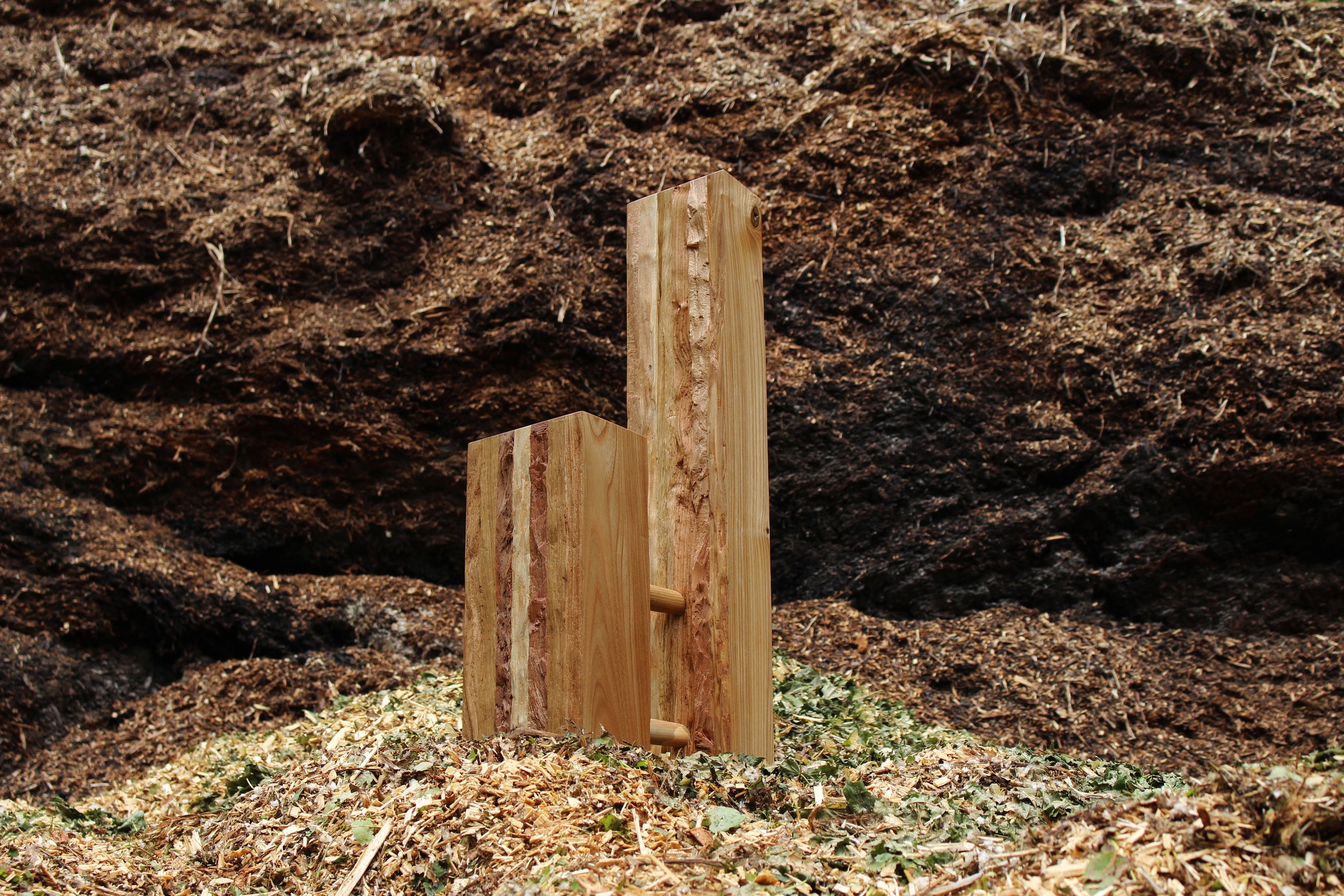
In an increasingly complicated world we our finding ourselves flooded with constant noise. Be it political, ecological or literal noise, it can be hard to find clarity in a world that feels as though it’s crumbling around us. Sometimes it is better to turn towards the noise. It is within this space that we can begin to determine what matters to us, slowly tuning into the frequencies that energise us, rather than overwhelm.
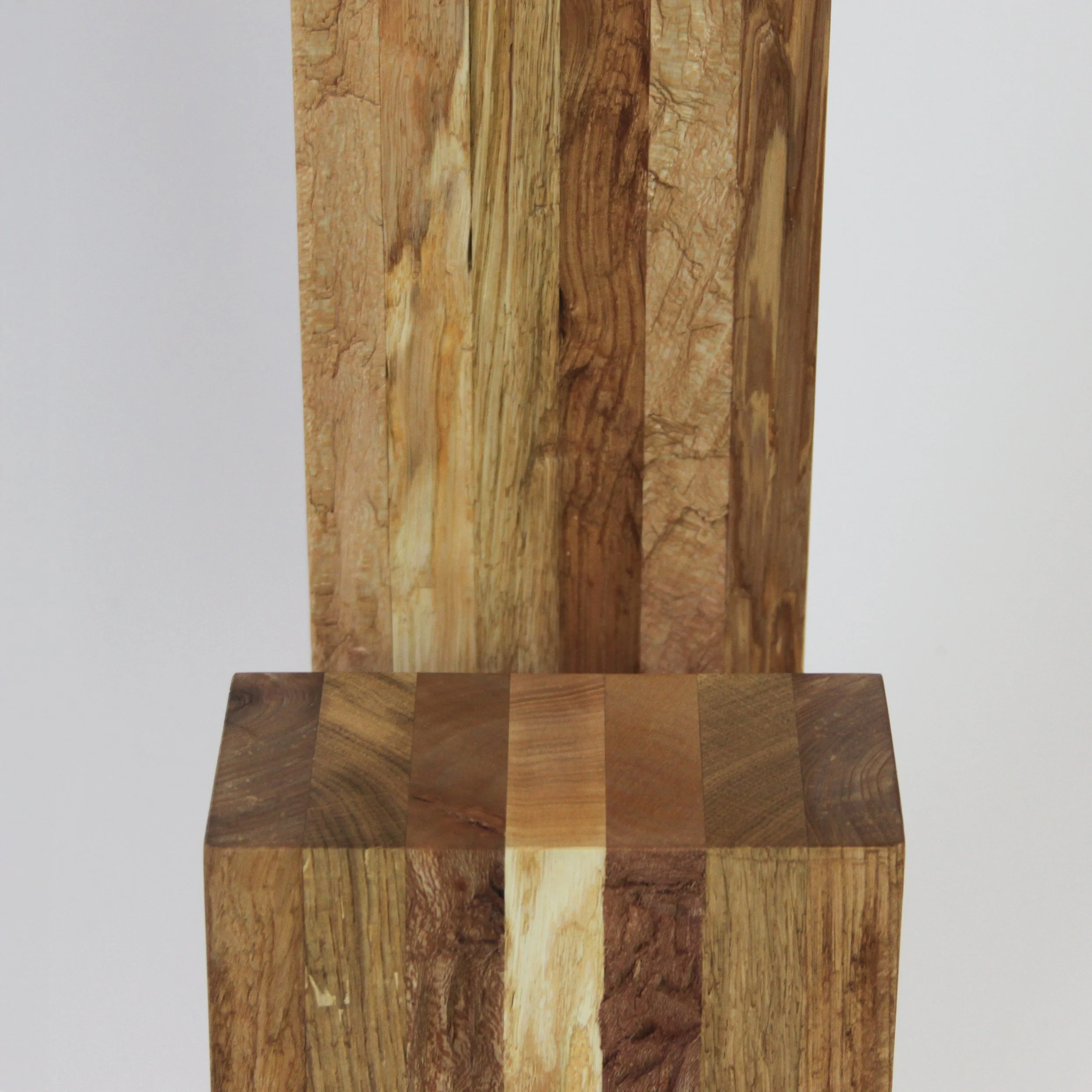
I have found particular inspiration by tuning into in this years Make Good exhibit at the V&A, where dRMM: Building From Forests is displayed. Working to highlight that the British Mixed species hardwood forests are underutilized as a material resource within construction. This too can be said of the furniture industry where there seems to be a constant demand for imported hardwoods, both industries leading to the fact that Britain is the second largest net importer of wood after China.
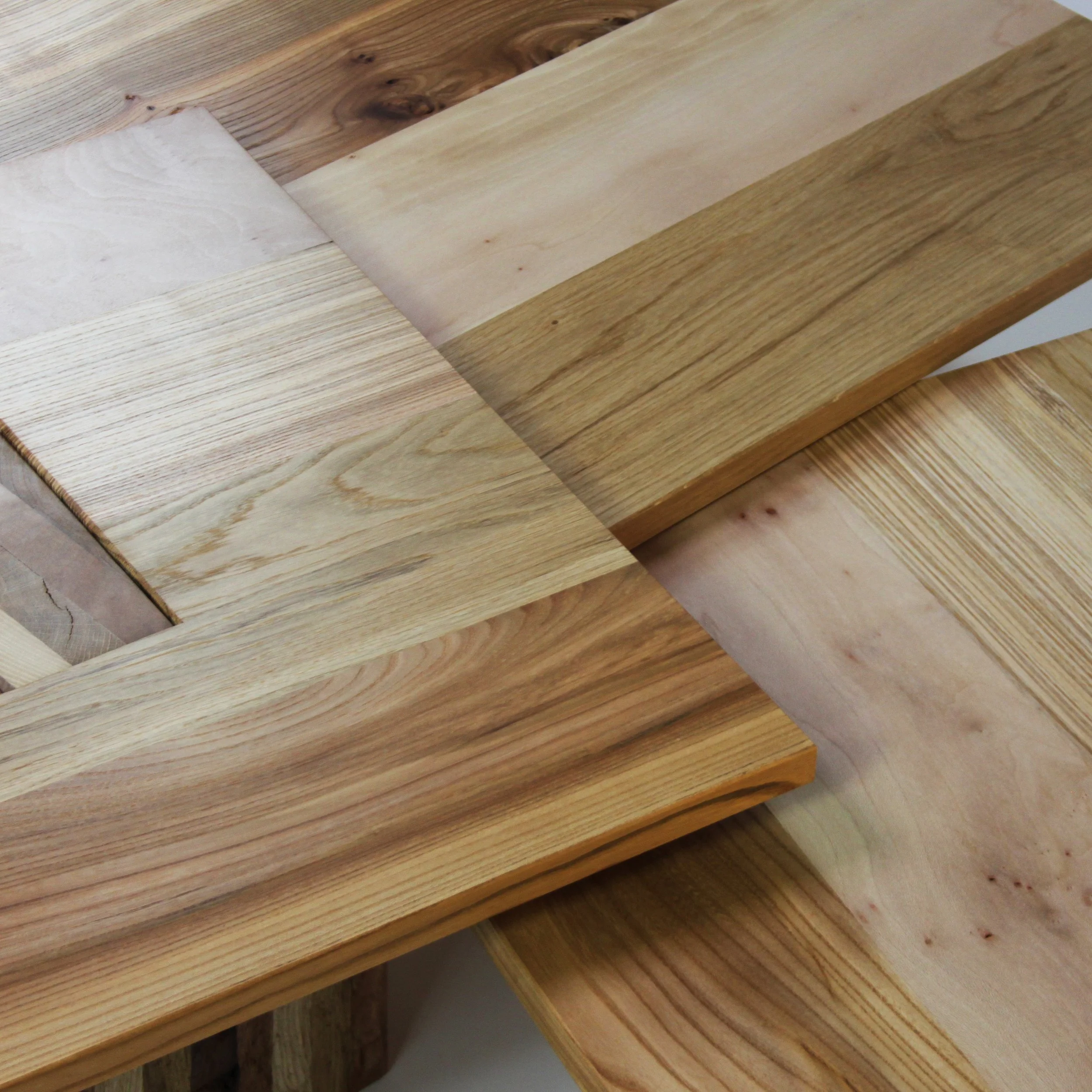
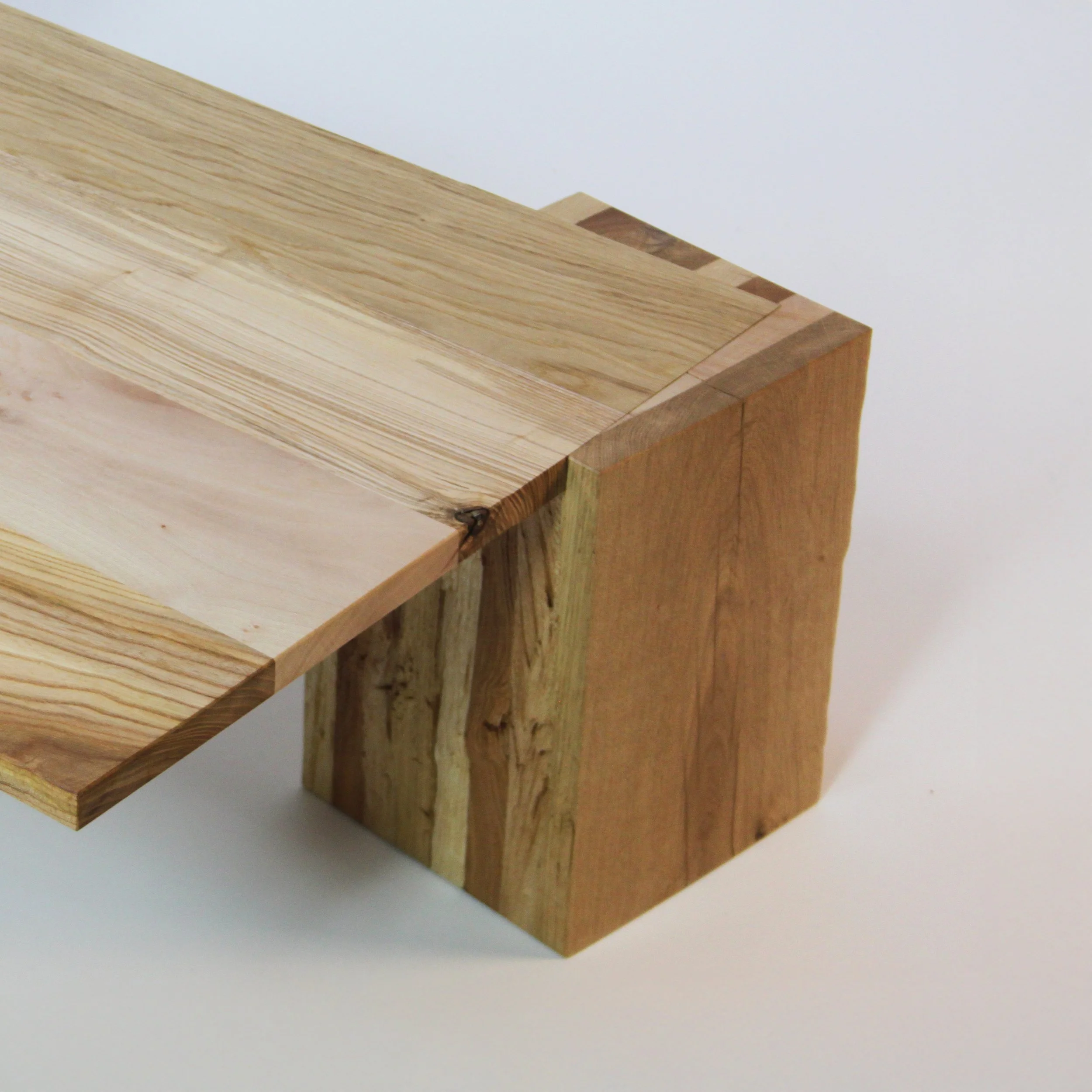
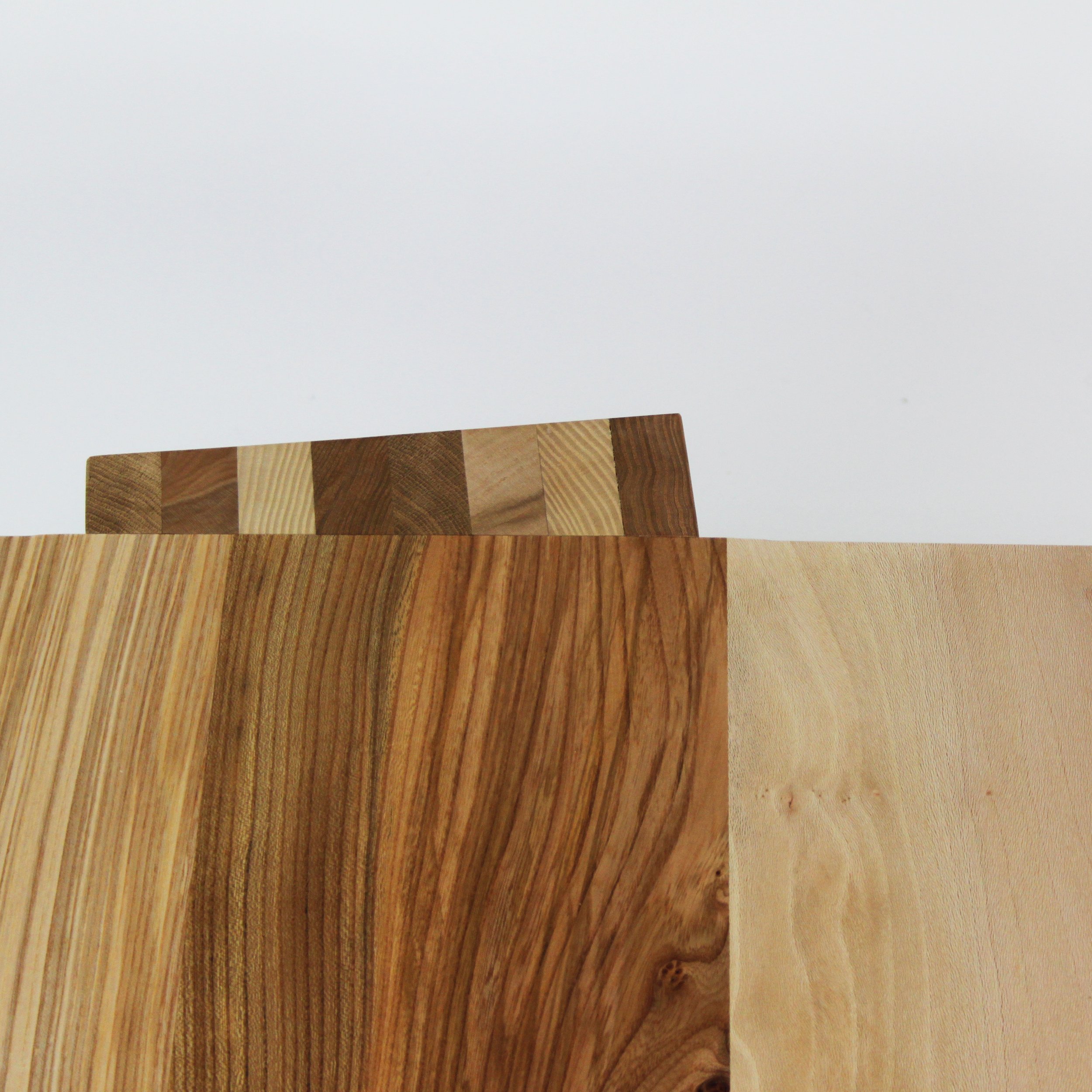
Though British forests cannot currently be the sole supporter of the construction industry, a demand for change can help encourage the redevelopment of the UK’s forests as part of a managed and economically viable industry. We need to highlight the possibilities of this change. I hope that dRMM’s exhibit can help push the conversation on this along with groups like the Sylva Foundation and Evolving Forests, but we need more makers to be highlighting this too.
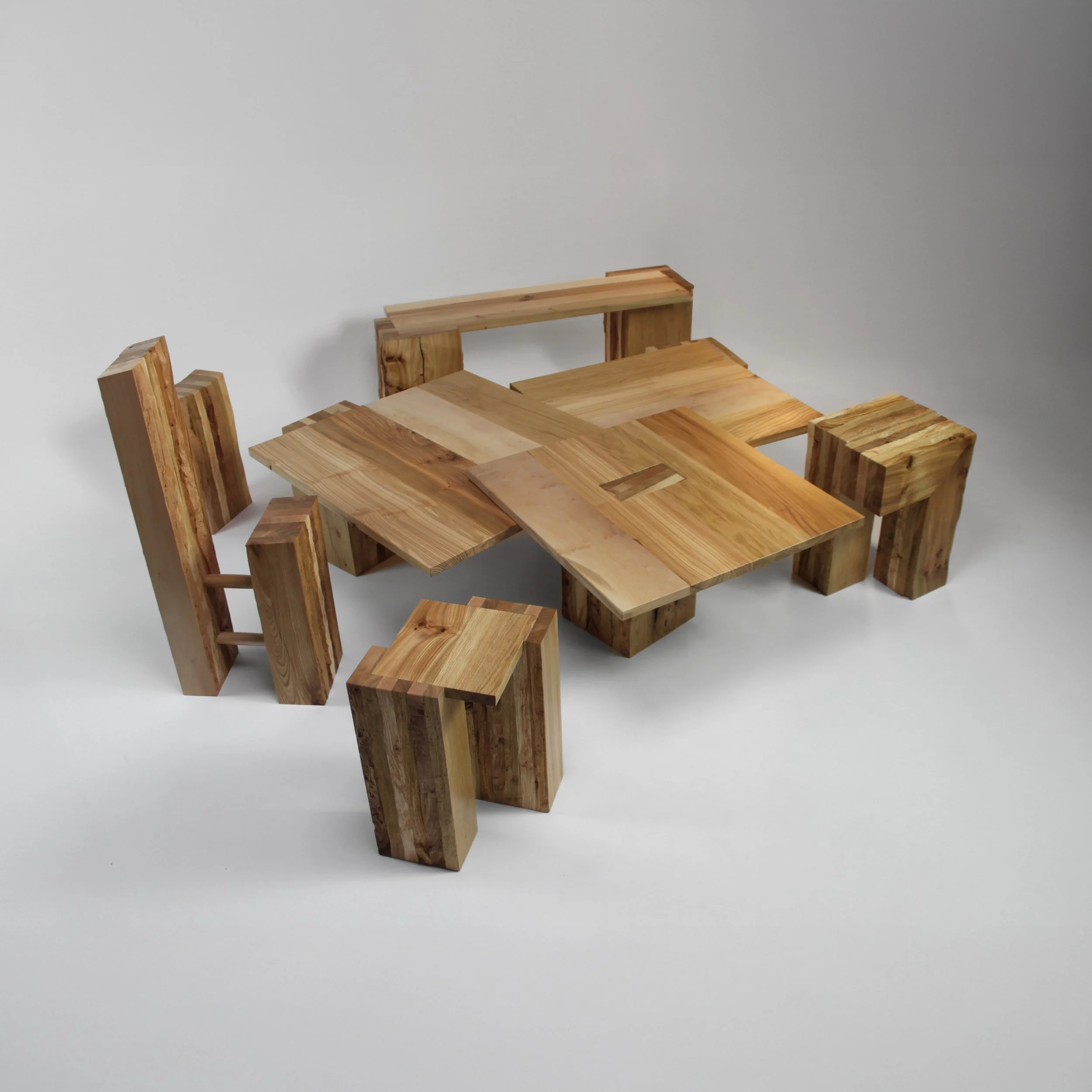
Increase the noise aims to engage with the tactility and solidity of the natural world around us. Finding beauty in the noise and turning to face it.
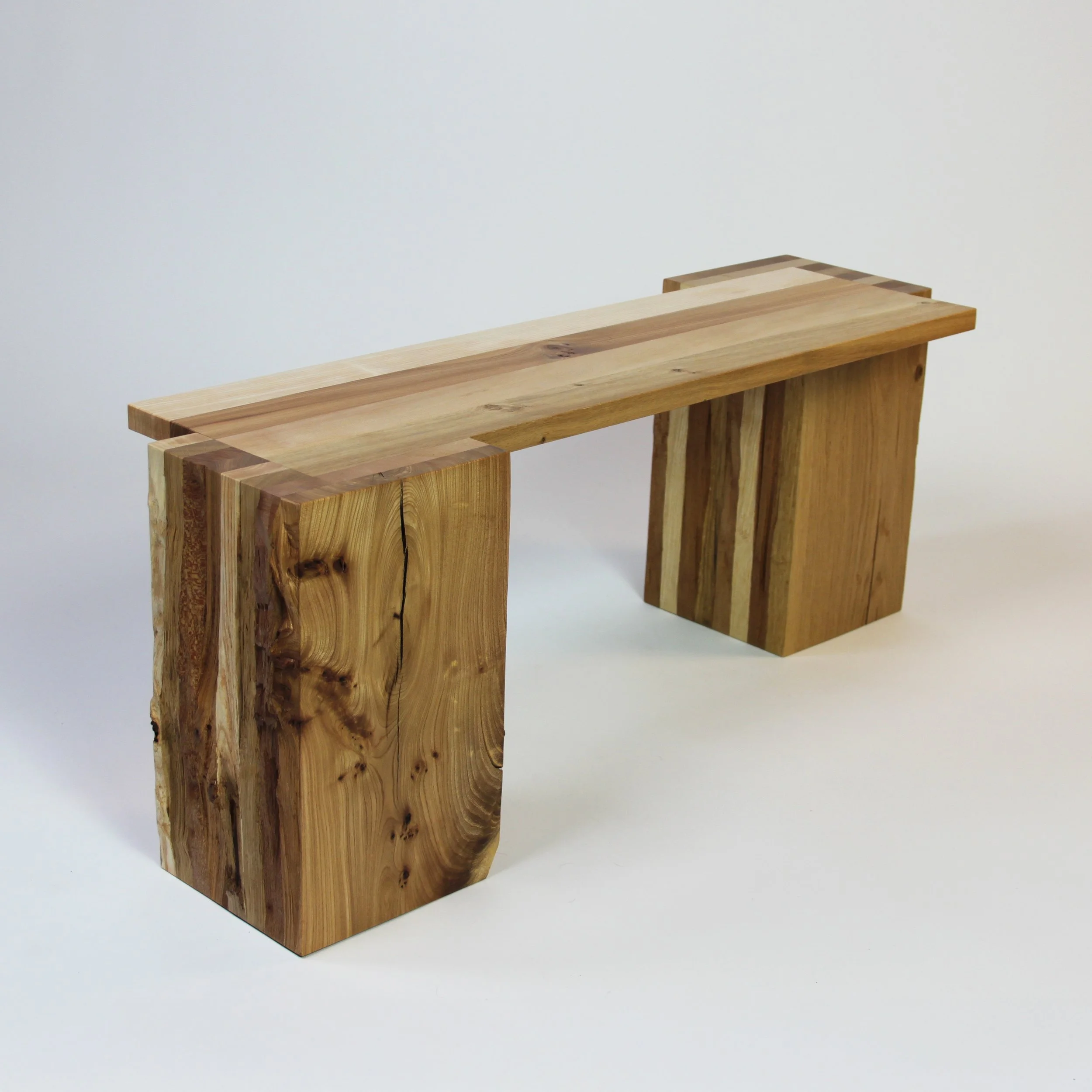
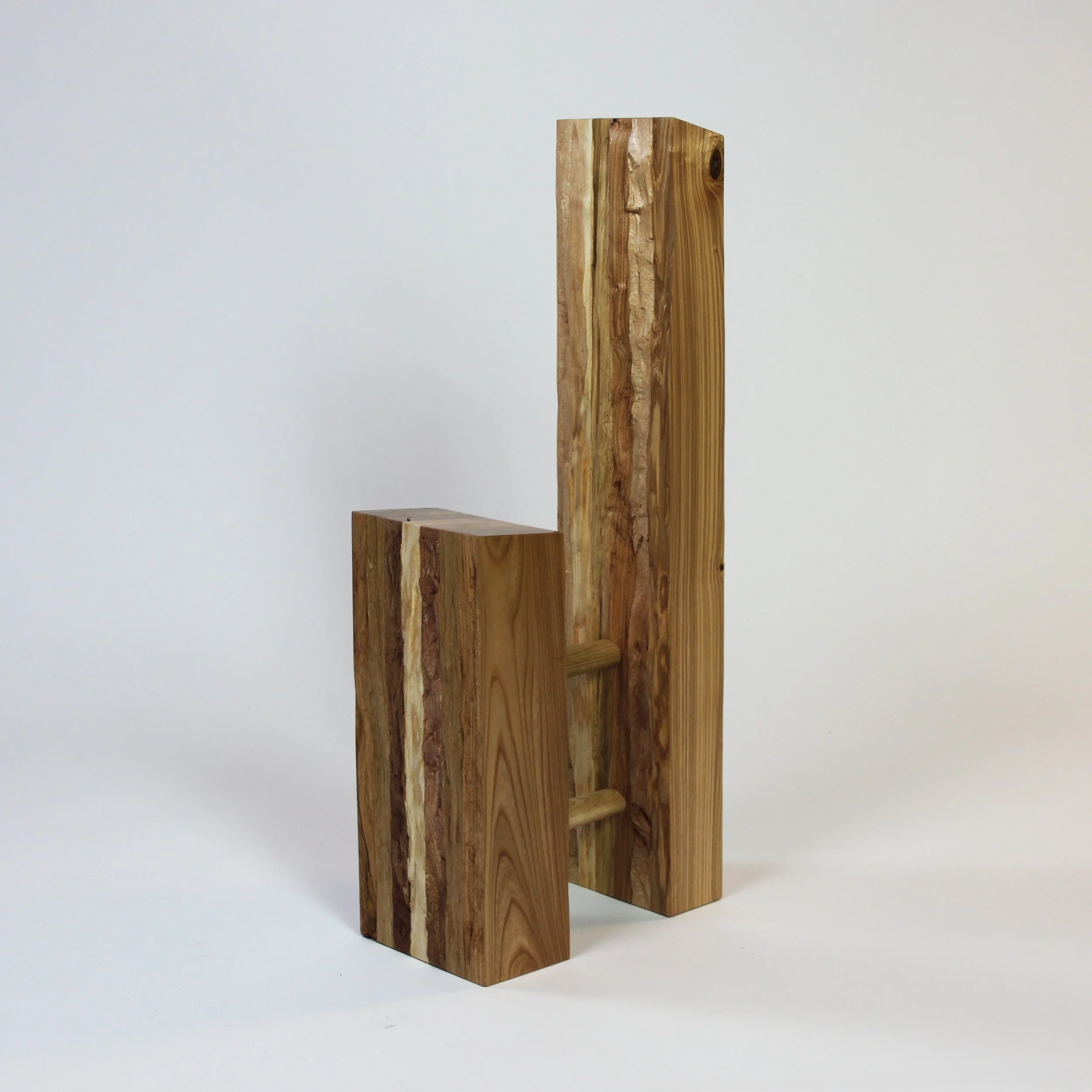
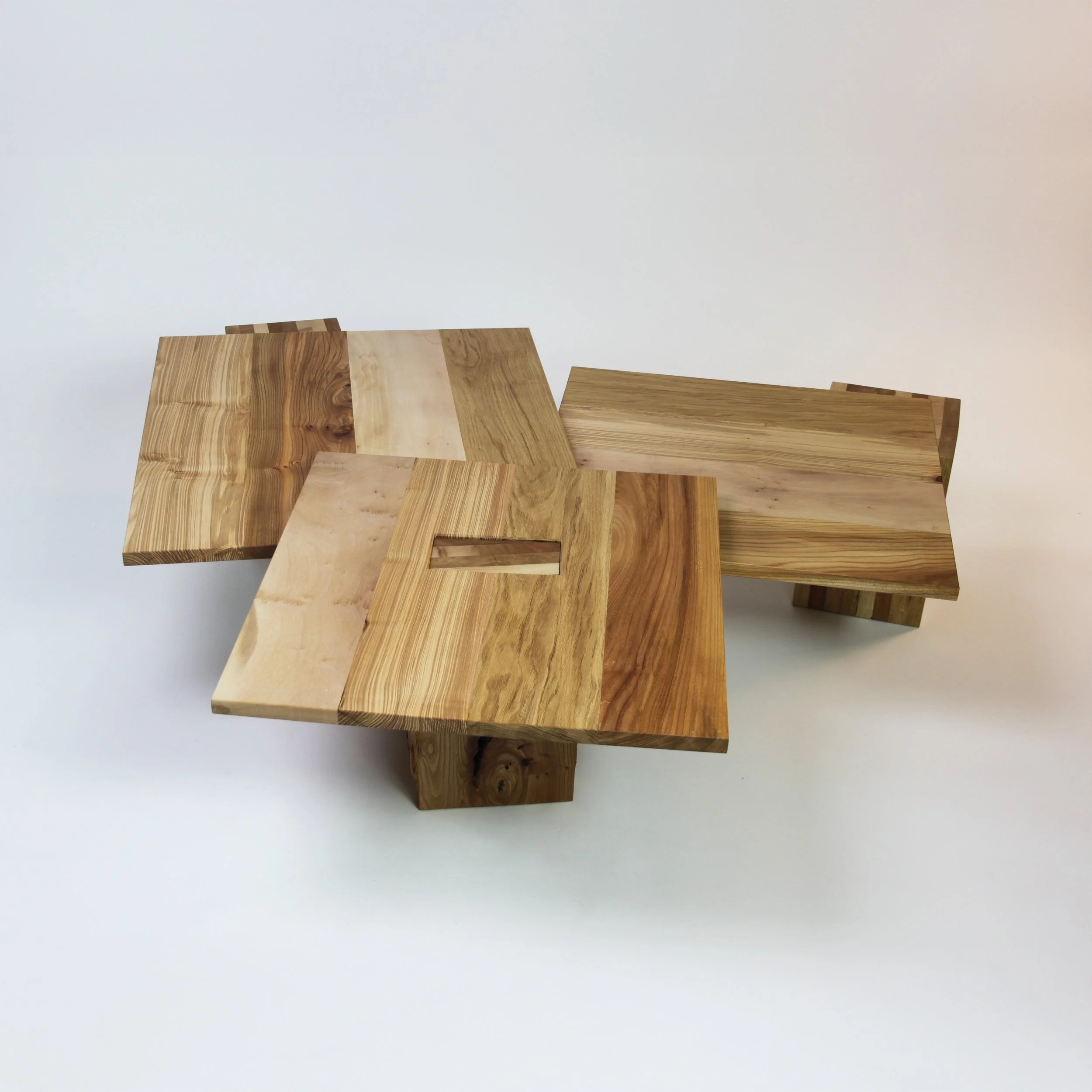
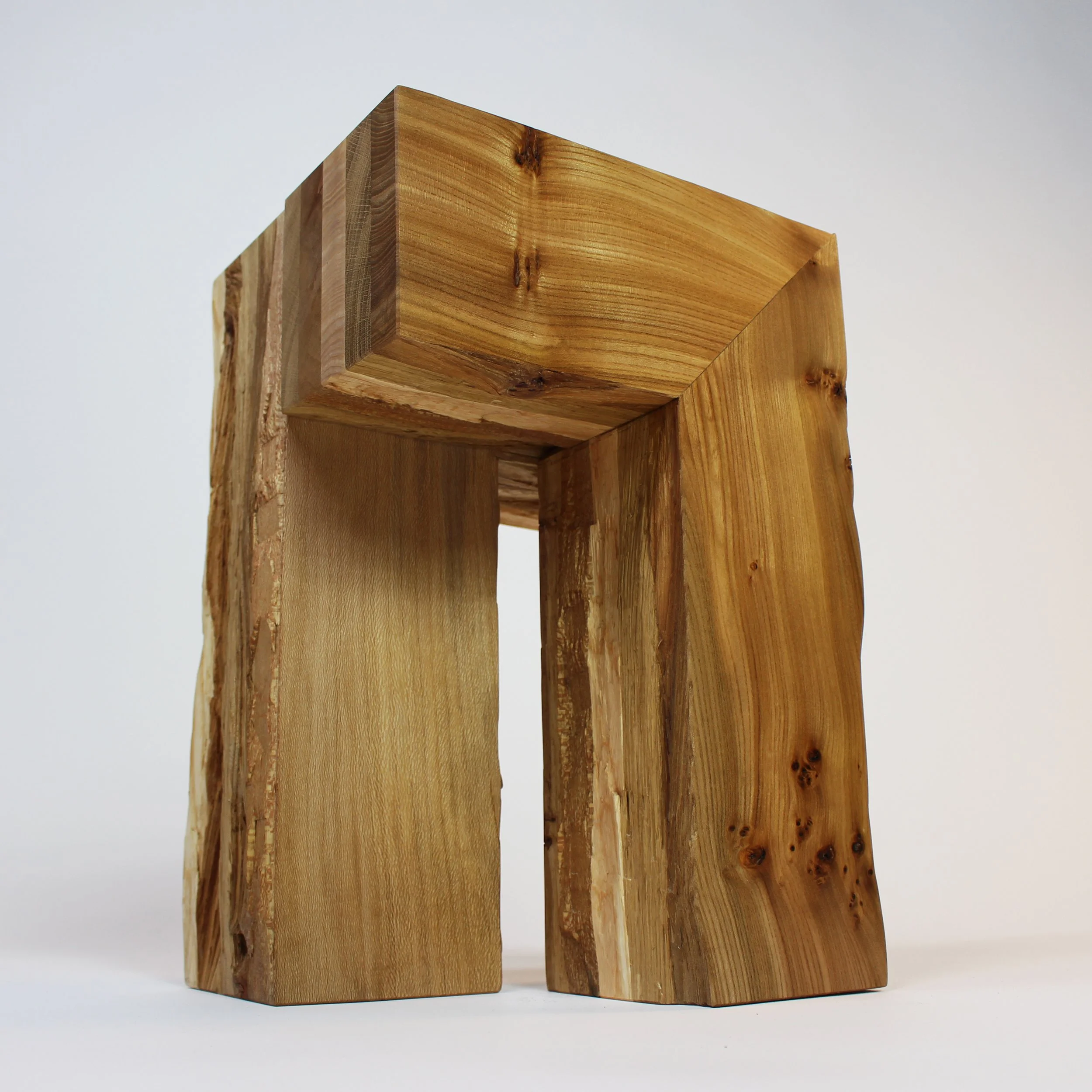
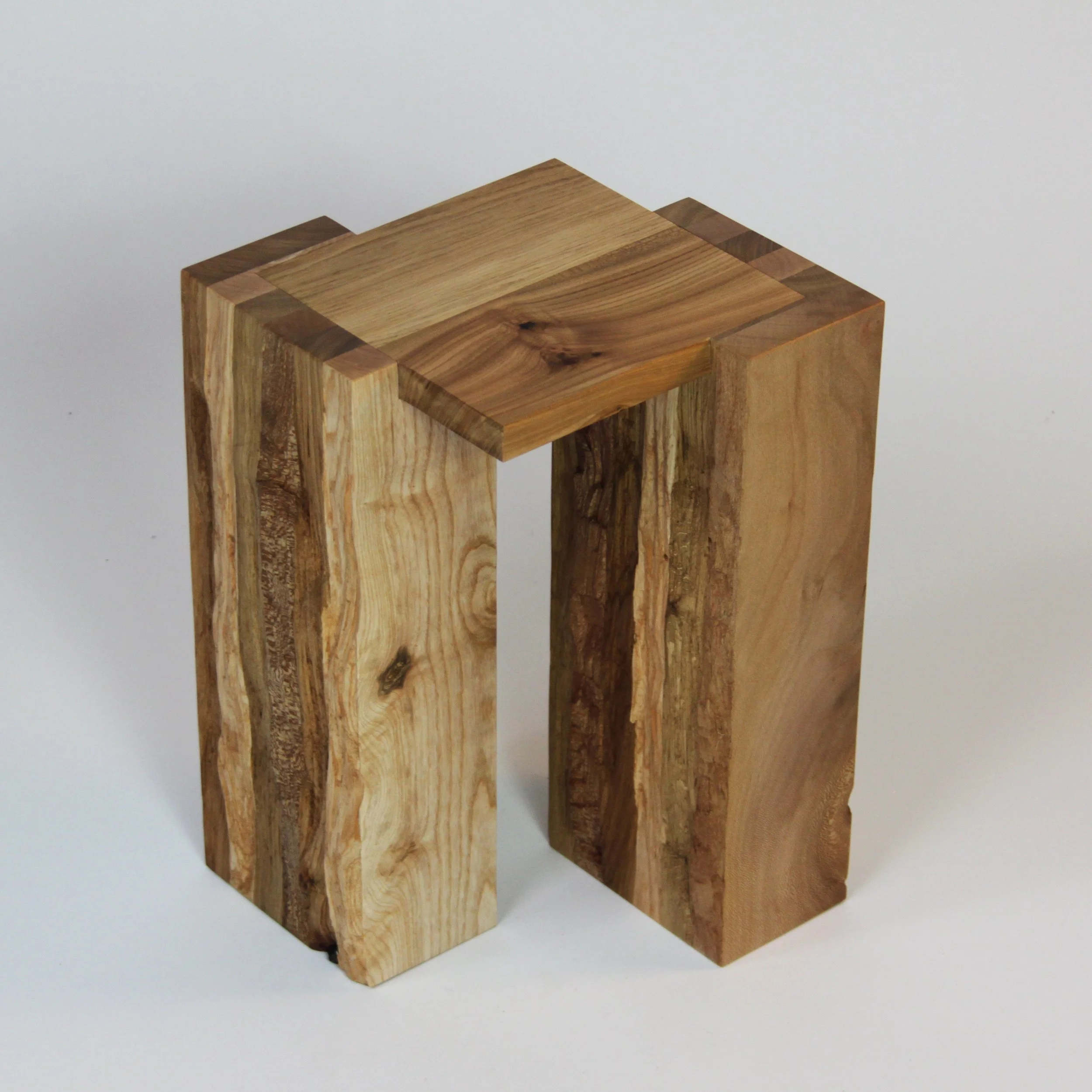
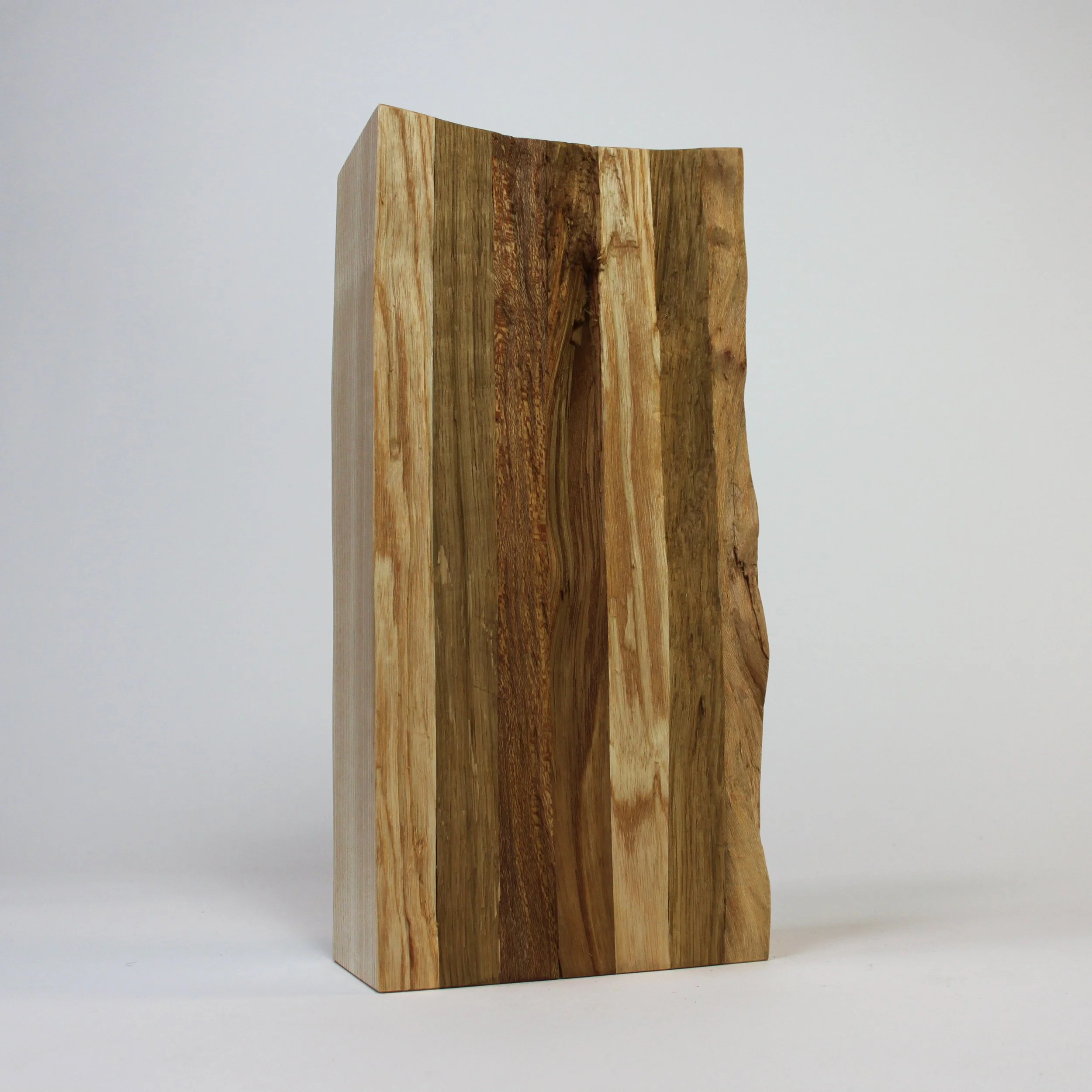
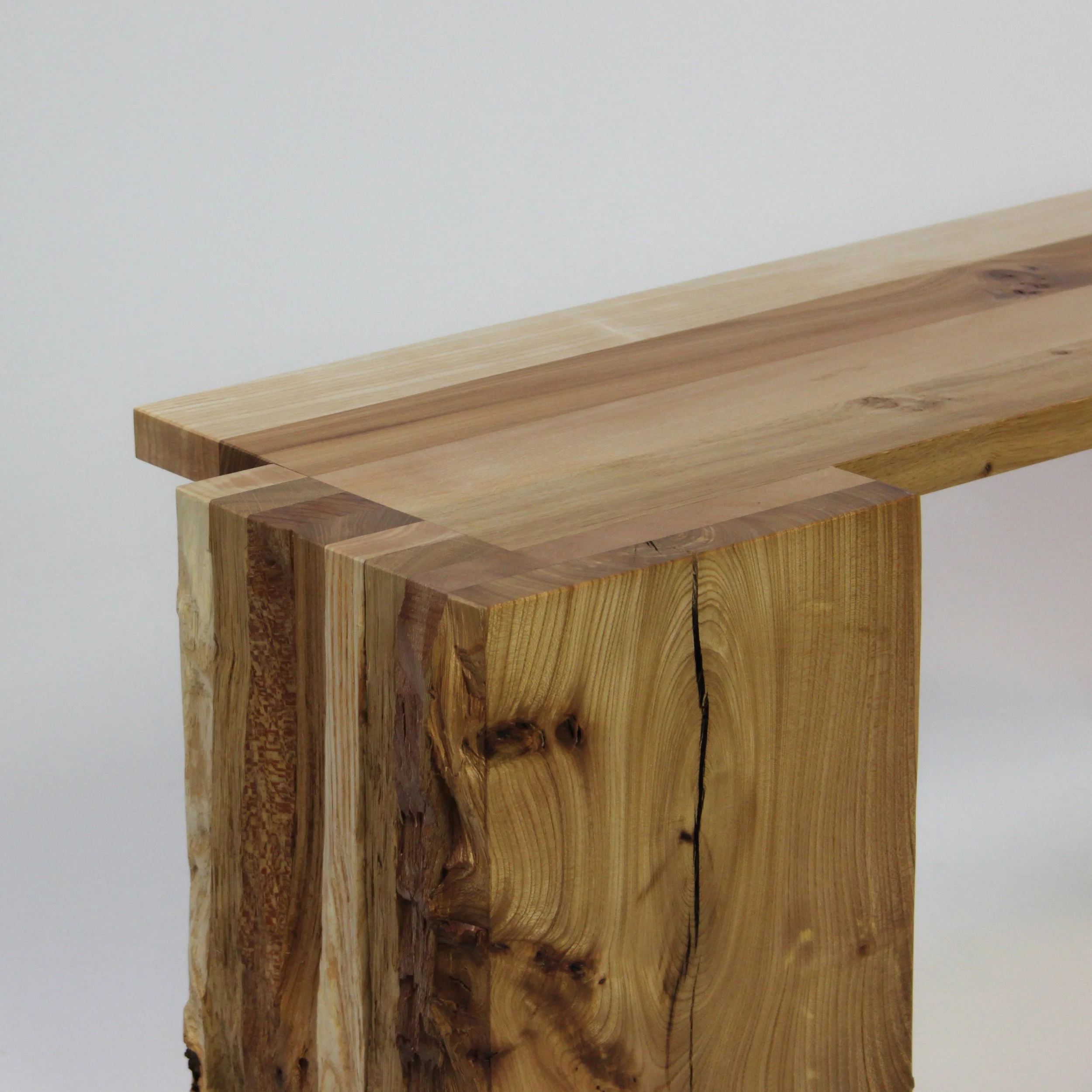
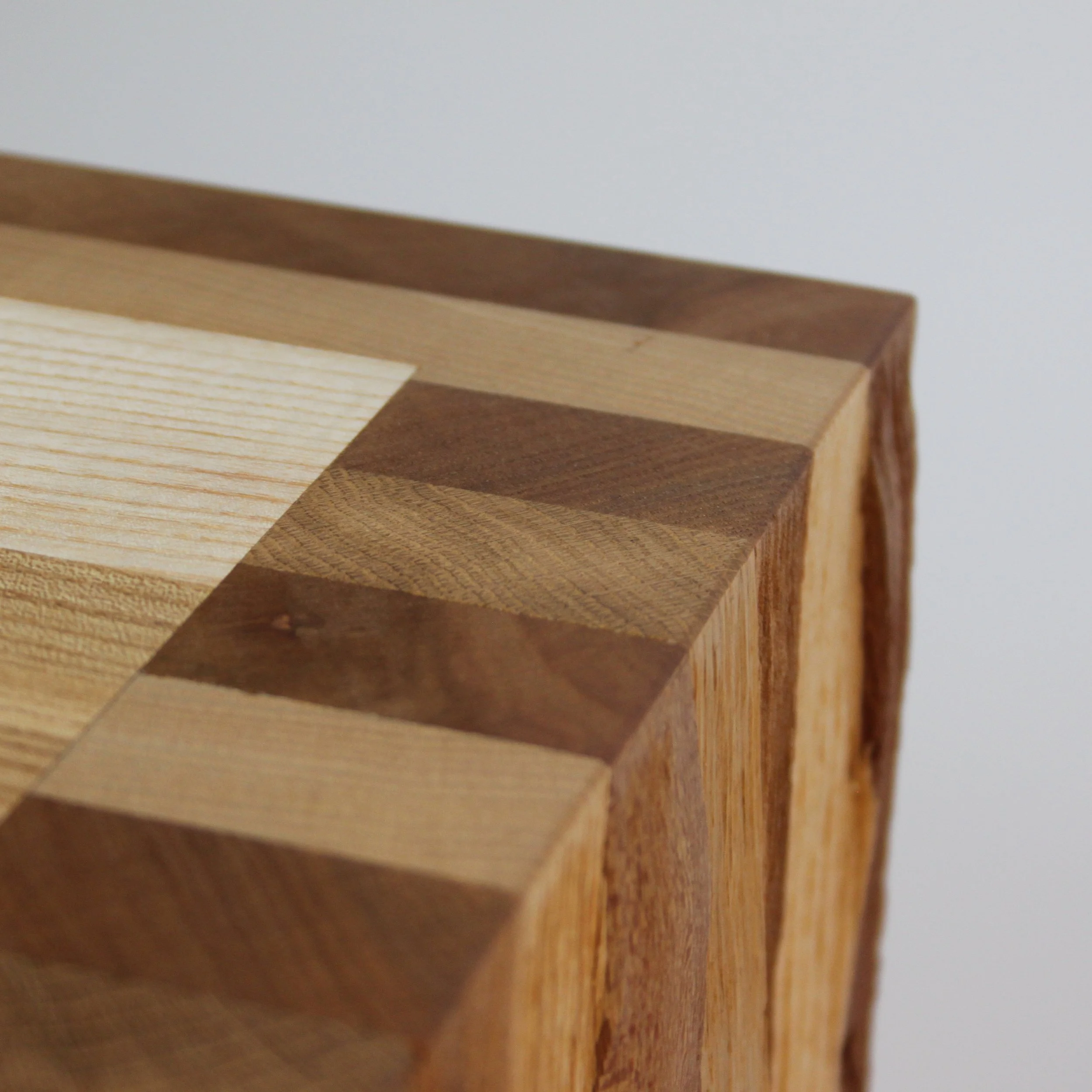
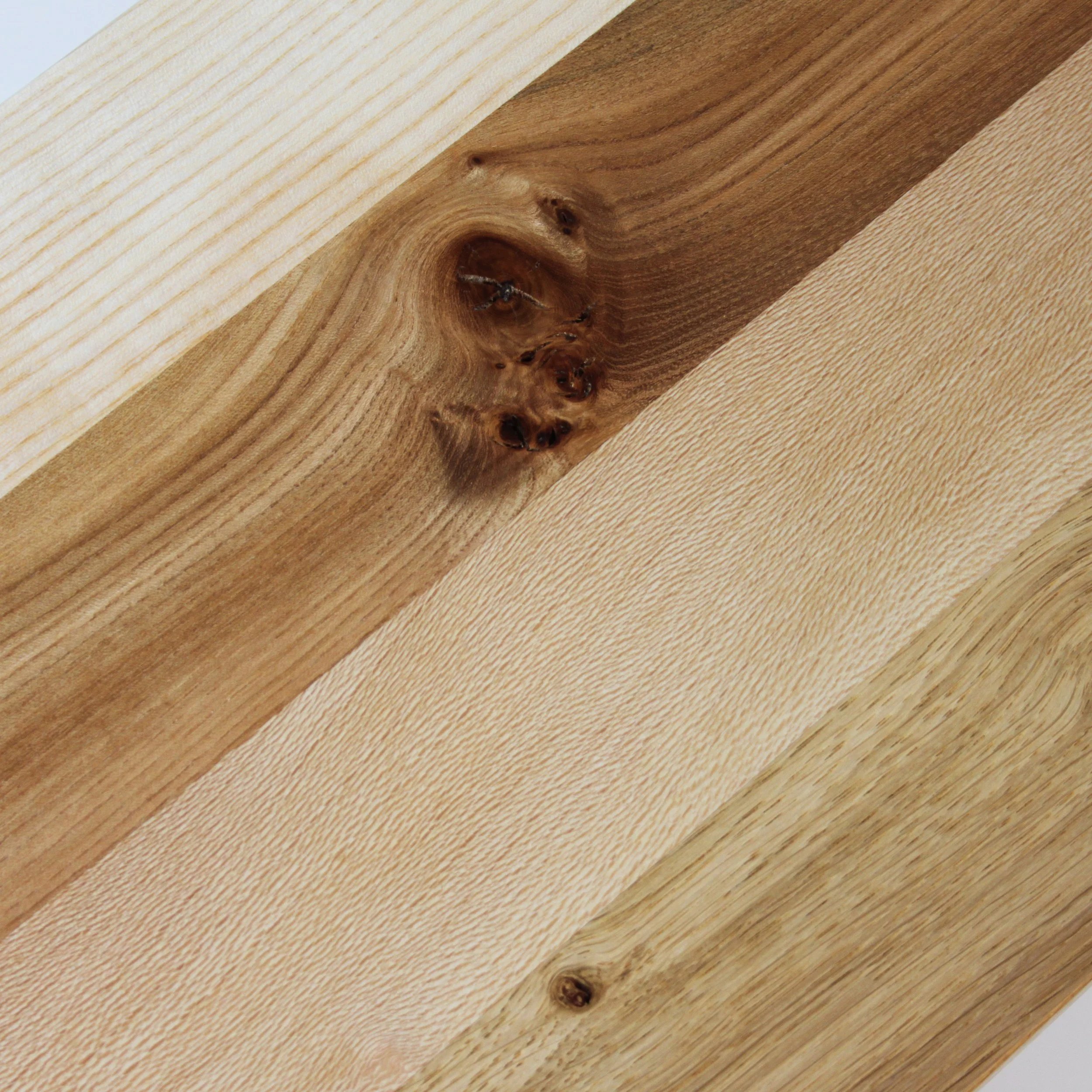
We need to work to promote beauty in diversity. Looking for uniform colour and grain in a living product minimizes what a designer or maker can use, thus substantially increasing the waste involved in converting a tree from it’s original state to a piece of furniture. Increase the noise is a dramatic exemplar of this, contrasting minimalist forms with maximalist visuals and textures.
These pieces also utilise this opportunity to incorporate characterful elements typical of wood as a material. And although in some forms this can be structurally problematic, there is plenty of opportunity for them to be used. We just need to shift our perspective as consumers, identify and celebrate the living quality of the material. Shirking the ‘clean’ look of selected timber and manufactured boards.
Big Love,
Josh